
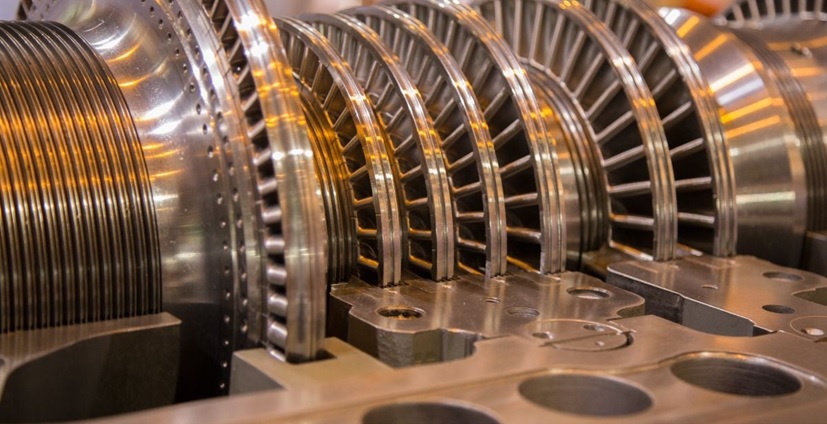
Steam turbines efficiently transform heat into mechanical power. These are the mainstays of industrial processes and electricity generation. However, they are prone to corrosion, wear, and mechanical problems.
This is due to their intricate design and challenging operating circumstances. Thus, seasoned engineers from Advanced Turbine Support, for instance, need to comprehend the significance of inspection. This is an essential maintenance procedure that seeks to detect and address possible problems before they cause serious operational failures.
It entails methodical evaluations of the parts, assessing their operation, condition, and compliance with performance requirements. Maintaining operational dependability, improving safety, and prolonging the life of the systems all depend on this.
Technicians usually examine the surface and interior parts during an examination. This comprises non-destructive testing techniques, diagnostic testing, and visual examinations. The objective is to lower the possibility of unplanned downtime. While ensuring that the turbine runs safely and effectively within its intended boundaries.
Parts Affected
Several important parts of turbines are usually assessed during inspections. Each of these parts is essential to the functioning. Though it is prone to deterioration and wear over time.
- Blades: These are essential for transforming the heat into mechanical energy. Inspections concentrate on corrosion, erosion, and blade integrity.
- Casing: The rotating assembly is housed in the casing, which must remain structurally sound to stop leaks and guarantee correct operation.
- Seals: The integrity of gland seals is routinely checked because they are essential for preserving pressure and stopping leaks.
- Bearings: Wear and lubrication problems that potentially affect turbine performance are checked for in both thrust as well as journal bearings.
The Significance of Frequent Inspections
Extreme operating conditions include high rotating speeds, pressures, and temperatures. These elements may eventually result in:
- Material Degradation: High-strength alloys like titanium, Inconel, or martensitic stainless steel are frequently used to make parts. Like blades, rotors, and casings. These materials can experience fatigue, creep, and cracking. This is due to stress corrosion despite their toughness.
- Fouling along with Deposits: Steam contaminants can result in deposits on nozzles and blades. These lower efficiencies, thus, raise the possibility of vibrations brought on by flow.
- Misalignment and Imbalance: If ignored, even small rotor or bearing misalignments can result in catastrophic failures.
Early Warning Indications
Numerous thermal, mechanical, and operational indicators serve as early warning signs of possible problems. Early detection can aid in the timely scheduling of inspections, preventing more severe issues. Especially on the overall process and function – see https://instrumentationtools.com/turbine-control-system/ to learn more.
Unusual vibrations, temperature changes, and strange noises during operation are common early warning indicators. Changes in performance metrics may point to underlying problems.
Additionally, prompt examination procedures should be triggered in the event of steam leakage or greater wear spots on the components. These indicators must be regularly monitored because they can reveal important details about the steam turbine’s condition.
Common Root Causes
Steam turbine checks may be necessary due to several common factors. These are usually the main causes of these issues:
- Environmental Factors: Turbine component wear might be accelerated by excessive moisture, impurities, or temperature changes.
- Operational Practices: Stress or damage can result from inadequate maintenance, incorrect startup, and shutdown procedures. Also, deviations from design operating conditions.
- Material Degradation: Eventually, materials used may experience erosion, corrosion, or fatigue, which could result in decreased performance.
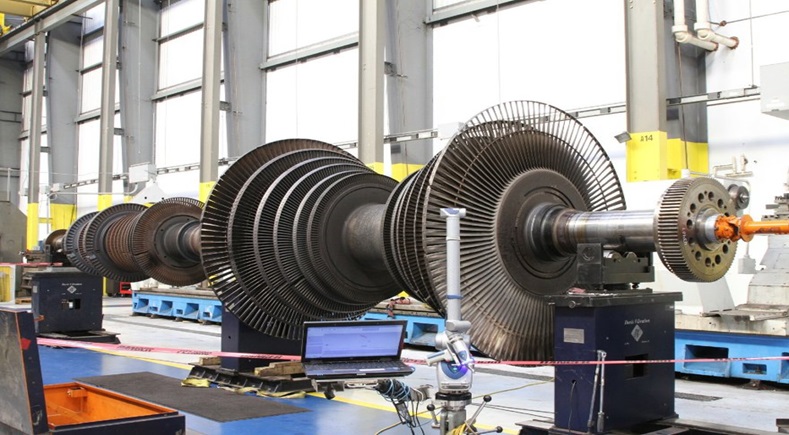
Investigation and Diagnosis
A thorough diagnosis is necessary to correctly determine the underlying causes of problems found during inspections. To efficiently investigate abnormalities. Technicians employ a variety of analytical instruments and techniques.
Thermal imaging, oil analysis, and vibration analysis are common diagnostic methods. Each of these techniques reveals hidden issues that might not be apparent during a standard visual assessment. It offers information on how parts are functioning.
Additionally, technicians can improve the accuracy of the inquiry. It’s by correlating new findings with existing concerns by using past performance data and previous inspections.
Corrective Actions and Mitigation
Appropriate mitigation and remedial measures must be put in place. This is to address issues found when an inspection as well as diagnosis are finished. Repairs, replacements, or modifications to operational procedures could all be part of this.
To ensure that any new problems are fixed before they worsen. Routine maintenance cycles should be created based on inspection results. Regular component balance, seal refurbishing, and lubrication practice optimization are examples of strategies.
To inform upcoming inspections and direct maintenance schedule decisions. Records of inspection results and remedial measures should be kept. This is how damages can be avoided – more info to check out.
Effects on Risk and Plant Performance
Steam turbine inspection procedures have a big impact on operating risk and overall plant performance. Frequent inspections reduce energy losses and maximize power production. This is achieved by ensuring that turbines run at maximum efficiency.
Failures caused by improper inspection procedures might result in expensive repairs and extended downtime. Any unplanned interruption impacts not just the turbine. But also, the energy supply and the stability of the system.
Plant operators can successfully lower risks and improve dependability. Also, they can guarantee that steam turbines adhere to the facility’s overall performance goals. That’s by implementing thorough inspection and maintenance procedures.
