
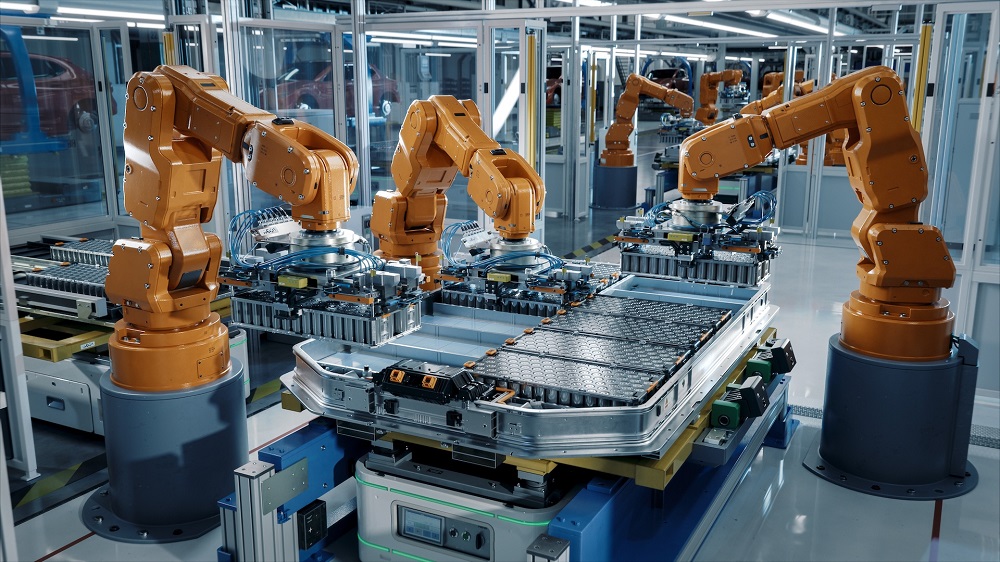
Electric vehicles are reshaping global transportation by reducing dependence on fossil fuels and supporting lower tailpipe emissions. However, the rapid growth of electric vehicle adoption is also creating new challenges related to battery lifecycle management. As millions of lithium ion batteries enter production and eventually reach the end of their service life, recycling infrastructure is becoming a critical component of the electric vehicle supply chain.
Battery recycling helps recover valuable materials such as lithium, cobalt, nickel, copper, and graphite that can be reused in new battery production. Despite its importance, large scale recycling systems face technical, economic, logistical, and regulatory obstacles. Understanding these challenges helps clarify why battery recycling remains one of the most important priorities in building a sustainable electric mobility ecosystem.
Understanding the Role of Battery Recycling in the EV Supply Chain
Electric vehicle batteries represent one of the most resource intensive components in modern transportation systems. Recycling helps reduce reliance on newly mined materials and supports circular supply chain models that improve long term sustainability.
Battery recycling contributes to the EV supply chain by:
- recovering critical raw materials
- reducing environmental impact from mining
- supporting domestic material availability
- lowering long term production costs
- improving supply chain resilience
Recycling infrastructure plays an important role in maintaining stable battery production capacity as electric vehicle adoption expands.
Circular material use strengthens the long term viability of electrified transportation systems.
Growing Demand for Critical Battery Materials
Lithium ion batteries require metals that are geographically concentrated and often difficult to extract at scale. As electric vehicle production increases, demand for these materials continues rising rapidly.
Critical battery materials include:
- lithium for energy storage capacity
- cobalt for stability and safety performance
- nickel for energy density improvements
- copper for electrical conductivity
- graphite for anode structure support
Supply chain pressure increases when recycling systems cannot recover these materials efficiently.
Recycling helps reduce dependence on newly extracted resources.
Complexity of Lithium Ion Battery Design
Modern electric vehicle batteries contain multiple layers of materials assembled in complex configurations. This complexity makes recycling processes more challenging than recycling traditional automotive components.
Battery structure complexity includes:
- tightly integrated cell modules
- adhesive bonded components
- mixed metal compositions
- thermal management materials
- electronic control systems
Disassembling these components safely requires specialized equipment and trained personnel.
Design complexity increases recycling costs and processing time.
Safety Risks in Battery Handling and Transport
Used electric vehicle batteries can retain significant electrical charge even after removal from vehicles. Improper handling increases the risk of fire hazards and chemical exposure.
Safety challenges include:
- risk of thermal runaway during storage
- hazardous material exposure concerns
- transportation regulation requirements
- specialized packaging needs
- facility fire prevention system requirements
Safe handling procedures increase operational complexity across recycling logistics networks.
Safety planning remains essential for large scale recycling expansion.
Limited Recycling Infrastructure Availability
Although electric vehicle adoption is increasing rapidly, recycling infrastructure is still developing in many regions. Limited facility availability slows the recovery of valuable materials from retired batteries.
Infrastructure challenges include:
- insufficient processing capacity in some markets
- geographic distance between recycling facilities and collection points
- uneven investment distribution across regions
- limited specialized workforce availability
- evolving facility permitting requirements
Expanding infrastructure capacity remains necessary for supporting future recycling demand.
Investment planning plays a central role in scaling recycling systems.
Economic Challenges Affecting Recycling Viability
Battery recycling involves complex chemical processing methods that require significant capital investment. Economic feasibility depends on material recovery efficiency and market pricing conditions.
Economic challenges include:
- fluctuating commodity price levels
- high equipment installation costs
- energy intensive processing requirements
- transportation logistics expenses
- variable battery composition across manufacturers
Economic uncertainty can slow investment in recycling capacity expansion.
Stable recovery markets improve recycling system sustainability.
Variability in Battery Chemistry Across Manufacturers
Electric vehicle manufacturers use different battery chemistries depending on performance priorities and cost considerations. Variability in chemistry complicates recycling processes because facilities must adapt to multiple material compositions.
Chemistry differences may include:
- lithium nickel manganese cobalt configurations
- lithium iron phosphate structures
- high nickel battery designs
- alternative cathode formulations
- evolving next generation battery chemistries
Processing flexibility is required to manage mixed battery inputs effectively.
Standardization efforts may help simplify recycling workflows in the future.
Logistics Challenges in Battery Collection Systems
Collecting used batteries efficiently represents another important challenge in the recycling supply chain. Batteries may be distributed across dealerships, repair centers, and end of life vehicle facilities.
Collection challenges include:
- tracking battery location after vehicle retirement
- coordinating transportation schedules
- ensuring safe packaging compliance
- managing regional regulatory requirements
- supporting reverse logistics networks
Efficient collection systems improve recycling participation rates.
Logistics coordination supports material recovery efficiency.
Environmental Considerations in Recycling Processes
Although recycling reduces the need for new mining activity, recycling facilities must still manage environmental impacts associated with chemical processing.
Environmental challenges include:
- managing wastewater discharge
- controlling emissions from processing equipment
- reducing energy consumption levels
- handling chemical residue safely
- ensuring compliance with environmental regulations
Responsible processing methods improve sustainability outcomes across recycling operations.
Environmental performance influences public confidence in recycling programs.
Role of Second Life Applications Before Recycling
Not all electric vehicle batteries reach recycling immediately after their automotive service life ends. Many batteries retain sufficient capacity for alternative applications.
Second life applications include:
- stationary energy storage systems
- backup power support infrastructure
- renewable energy grid balancing services
- community energy resilience programs
- commercial building energy management systems
Extending battery use before recycling improves resource efficiency.
Second life deployment supports circular energy systems.
Regulatory Framework Development Supporting Recycling Expansion
Governments play an important role in supporting battery recycling infrastructure through policy development and industry coordination initiatives.
Regulatory support strategies include:
- establishing collection responsibility requirements
- encouraging recycling investment incentives
- defining safe transport guidelines
- promoting material recovery standards
- supporting research into advanced recycling technologies
Policy alignment improves recycling participation across supply chains.
Clear regulations support industry planning confidence.
Role of Technology Innovation in Improving Recycling Efficiency
Technology innovation continues improving the effectiveness of battery recycling processes. Advanced methods help recover higher percentages of valuable materials while reducing environmental impact.
Technology improvements include:
- hydrometallurgical processing techniques
- automated battery disassembly systems
- improved material separation technologies
- advanced diagnostic tools for battery condition assessment
- digital tracking systems supporting lifecycle monitoring
Innovation strengthens long term recycling capacity across global markets.
Improved processing efficiency supports supply chain sustainability goals.
Importance of Supply Chain Collaboration Across Industry Stakeholders
Battery recycling requires coordination between vehicle manufacturers, battery producers, recycling companies, logistics providers, and policymakers. Collaboration improves system efficiency and supports consistent material recovery.
Collaboration strategies include:
- sharing battery design information with recyclers
- coordinating reverse logistics infrastructure
- supporting research partnerships
- aligning material recovery standards
- improving lifecycle tracking transparency
Coordinated supply chain participation strengthens recycling ecosystem performance.
Industry cooperation supports long term electrification sustainability.
Future Trends Shaping Battery Recycling in the EV Industry
Battery recycling systems will continue evolving as electric vehicle adoption increases and technology advances improve material recovery methods. Future developments are expected to strengthen circular supply chain models.
Emerging recycling trends may include:
- expanded regional recycling facility construction
- stronger battery design standardization initiatives
- improved automation across disassembly processes
- increased use of digital tracking platforms
- deeper integration between renewable energy storage and second life battery applications
These developments will support more efficient recycling infrastructure across global electric mobility markets.
Battery recycling remains a critical component of sustainable electric vehicle supply chain development.
FAQ Section
Why is battery recycling important for electric vehicles
Battery recycling helps recover valuable materials that can be reused in new batteries, reducing dependence on newly mined resources.
What materials are commonly recovered from electric vehicle batteries
Recyclers often recover lithium, cobalt, nickel, copper, and graphite from used battery systems.
Are all electric vehicle batteries recyclable
Most lithium ion batteries can be recycled, although recovery efficiency varies depending on chemistry and facility capabilities.
How long do electric vehicle batteries typically last before recycling
Many electric vehicle batteries remain usable for eight to fifteen years depending on driving conditions and battery management practices.
What happens to batteries before they reach recycling facilities
Some batteries are reused in second life energy storage applications before entering recycling processes.
Are battery recycling facilities available in all regions
Infrastructure availability varies by region, and many countries are still expanding recycling capacity to support growing electric vehicle adoption.
Can improved battery design make recycling easier in the future
Yes. Manufacturers are exploring design approaches that simplify disassembly and improve material recovery efficiency.
