
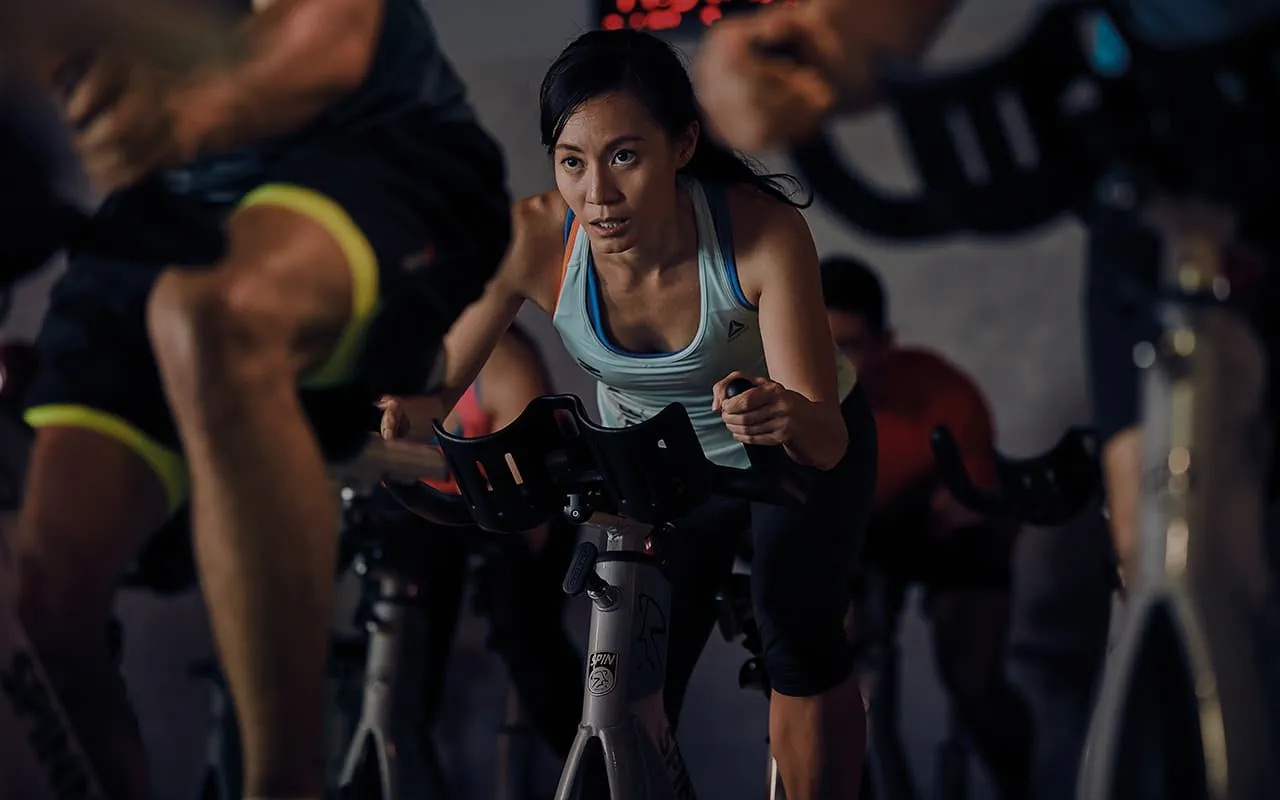
Getting your nutrition right around an indoor cycling session is one of the most direct ways to improve performance, accelerate recovery, and achieve the body composition goals that motivate most people to train. Yet nutrition for exercise remains one of the most confused and misapplied areas of health knowledge, particularly in Singapore where food culture is rich, social eating is central to daily life, and hawker fare does not always map neatly onto conventional sports nutrition advice.
This guide is written specifically for Singaporeans who attend indoor cycling Singapore classes and want practical, locally relevant guidance on what to eat, when to eat it, and how to use Singapore’s extraordinary food landscape to fuel and recover from their training.
Why Nutrition Timing Matters for Indoor Cycling
Indoor cycling is a high-intensity, predominantly aerobic activity that relies heavily on glycogen, which is the stored form of carbohydrate in your muscles and liver, as its primary fuel source. Unlike moderate-intensity exercise such as walking or gentle swimming, RPM cycling at training intensity depletes glycogen stores meaningfully over the course of a 45 to 60 minute session.
What you eat before a session determines how much fuel you have available when you need it most. What you eat after a session determines how efficiently your muscles recover, adapt, and rebuild in preparation for your next workout. Both windows matter and both are distinct in their requirements.
Before Your Cycling Class: Fuelling for Performance
The Two-to-Three Hour Window
If you are eating a proper meal before a cycling class, the ideal timing is two to three hours beforehand. This allows sufficient time for digestion and for blood glucose to stabilise, meaning you will have adequate fuel available without the discomfort of a partially digested meal sloshing around during intense pedalling.
The ideal pre-session meal is moderate in carbohydrates, moderate in protein, and low in fat and fibre. Fat and high-fibre foods slow gastric emptying significantly, which can cause discomfort and sluggishness during exercise. Good two-to-three hour pre-session meal options using familiar Singapore foods include:
- Chicken congee (porridge) with a soft boiled egg and minimal oil
- Yong tau foo with a broth-based soup and noodles, choosing tofu and fish-based items over fried ones
- Steamed chicken rice with a modest portion, avoiding excessive oil and skin
- Mee soto or mee rebus, which provide a good carbohydrate base with protein from chicken or egg
- Two slices of wholegrain toast with eggs and a cup of teh-o (tea without milk and sugar, or with less sugar)
The 30 to 60 Minute Window
If your schedule only allows eating within an hour of your class, the approach changes. In this window, you need something small, rapidly digestible, and carbohydrate-focused. Heavy protein and fat are counterproductive at this stage. Good options include:
- A banana, which provides fast-acting carbohydrates, potassium, and is extremely easy to digest
- A small cup of plain oatmeal or instant oats prepared without milk
- A plain rice cake or two with a thin layer of peanut butter
- Half a plain bun or mantou without heavy fillings
- A sports gel or energy chew if you have used them before and know your stomach tolerates them
What to Avoid Before Class
Certain foods are reliably problematic before high-intensity cycling. These include fatty foods like nasi lemak with its full accompaniments, heavily fried items like curry puffs or roti prata with dal, large protein-heavy meals, excessive dairy, and high-fibre foods like raw salads or beans. Coffee is fine for most people and can enhance cycling performance, but large volumes of milk-based coffee drinks may cause stomach discomfort during intense exercise.
Hydration: The Often Underestimated Variable
Singapore’s humidity means that even moderate activity produces significant sweat. Before a cycling class, you should be adequately hydrated, which practically means your urine is pale yellow rather than dark. Drinking 400 to 600 millilitres of water in the two hours before class and a further 200 millilitres in the 30 minutes before is a reasonable standard.
During a 45 to 60 minute RPM class, aim to consume 150 to 250 millilitres of water every 15 to 20 minutes. Most cycling studios provide water dispensers or allow participants to bring their own water bottles. Given Singapore’s heat, beginning a class mildly dehydrated will noticeably impair both performance and perceived effort.
After Your Cycling Class: Recovery Nutrition
The 30 to 60 Minute Recovery Window
After an intense cycling session, your muscles are in a heightened state of receptivity to nutrients. Glycogen stores are depleted and muscle protein synthesis rates are elevated. Consuming a combination of carbohydrates and protein within 30 to 60 minutes of finishing your session significantly accelerates recovery compared to delaying nutrition.
The general guideline is a carbohydrate to protein ratio of approximately 3:1, meaning roughly 45 to 60 grams of carbohydrate paired with 15 to 20 grams of protein for a person of average size. In practical Singapore hawker food terms, this can be achieved through:
- A bowl of chicken noodle soup with extra broth, which provides carbohydrates from the noodles and protein from the chicken
- Yong tau foo with vermicelli and fish-based ingredients in a clear broth
- Ban mian with an egg, which gives a good carbohydrate-protein balance
- A serving of steamed fish with a cup of rice
- Brown rice with a lean protein such as grilled chicken or fish from a mixed rice stall, keeping sauces moderate
Protein for Muscle Recovery
For regular cyclists who train three or more times per week, ensuring adequate total daily protein intake becomes important for preventing cumulative muscle fatigue and supporting adaptation. A general guideline for active individuals is 1.4 to 1.8 grams of protein per kilogram of bodyweight per day. For most Singaporeans eating a balanced diet with regular servings of chicken, fish, eggs, or tofu, this is achievable without supplementation.
Protein supplements such as whey or plant-based protein powders are not necessary for most recreational cyclists, but they offer a convenient option for post-session recovery when a full meal is not immediately accessible. A simple protein shake with milk or a soy milk base prepared at home provides a reasonable post-session protein hit for those with limited time.
Electrolyte Replacement After Heavy Sweating
After a particularly intense or long session in Singapore’s humid conditions, replacing electrolytes lost through sweat is important, particularly sodium and potassium. Commercial isotonic drinks provide electrolytes but often contain more sugar than necessary for a 60 minute session. Practical Singapore alternatives include:
- Coconut water, which is naturally rich in potassium and contains some sodium
- A simple homemade drink of water with a pinch of salt and a squeeze of lime
- A cup of clear broth from a soup dish at a hawker centre
- A glass of fresh watermelon juice, which provides water, potassium, and natural sugars
True Fitness Singapore has facilities including changing rooms and nearby food options that make pre and post-class nutrition management practical for members attending during work breaks or commutes.
FAQ
Q. Is it okay to cycle on an empty stomach for fat loss?
A. Fasted cardio can marginally increase fat oxidation during the session itself, but research shows it does not produce significantly greater fat loss over time compared to fed exercise when total calories are matched. More importantly, cycling in a fully fasted state typically reduces performance quality and can increase muscle breakdown. For most recreational cyclists, a light pre-session snack is a better approach.
Q. Can I eat char kway teow or laksa before a cycling class?
A. Both are high in fat and relatively heavy, which makes them poor choices immediately before intense exercise. If you eat them two and a half to three hours before your class with a lighter portion, the discomfort risk reduces significantly. As a consistent pre-workout meal, there are better options, but neither will ruin an occasional session if eaten well ahead of time.
Q. How much protein does a banana actually contain? Is it enough for post-workout recovery on its own?
A. A medium banana contains approximately one gram of protein, which is negligible for recovery purposes. It is excellent as a pre-workout carbohydrate source but should always be paired with a protein-containing food in your post-workout meal for adequate recovery nutrition.
Q. Should I avoid coffee before an indoor cycling class?
A. Caffeine is one of the most well-researched ergogenic (performance-enhancing) aids and moderate consumption before exercise, around 200 to 400 milligrams or one to two cups of coffee, consistently improves endurance performance, power output, and perceived effort. Unless you are sensitive to caffeine or it causes stomach discomfort during exercise, coffee consumed 30 to 60 minutes before class can genuinely improve your performance.
Q. I cycle after work and often go straight from office. What is the quickest practical pre-workout food option near most Singapore fitness studios?
A. A banana from any convenience store is the most practical single option. Alternatively, a small cup of plain oatmeal from a cafe, a plain onigiri (rice ball) without heavy fillings, or a small packet of unsalted crackers can work well. The goal is simply to top up glycogen without overloading the stomach.
